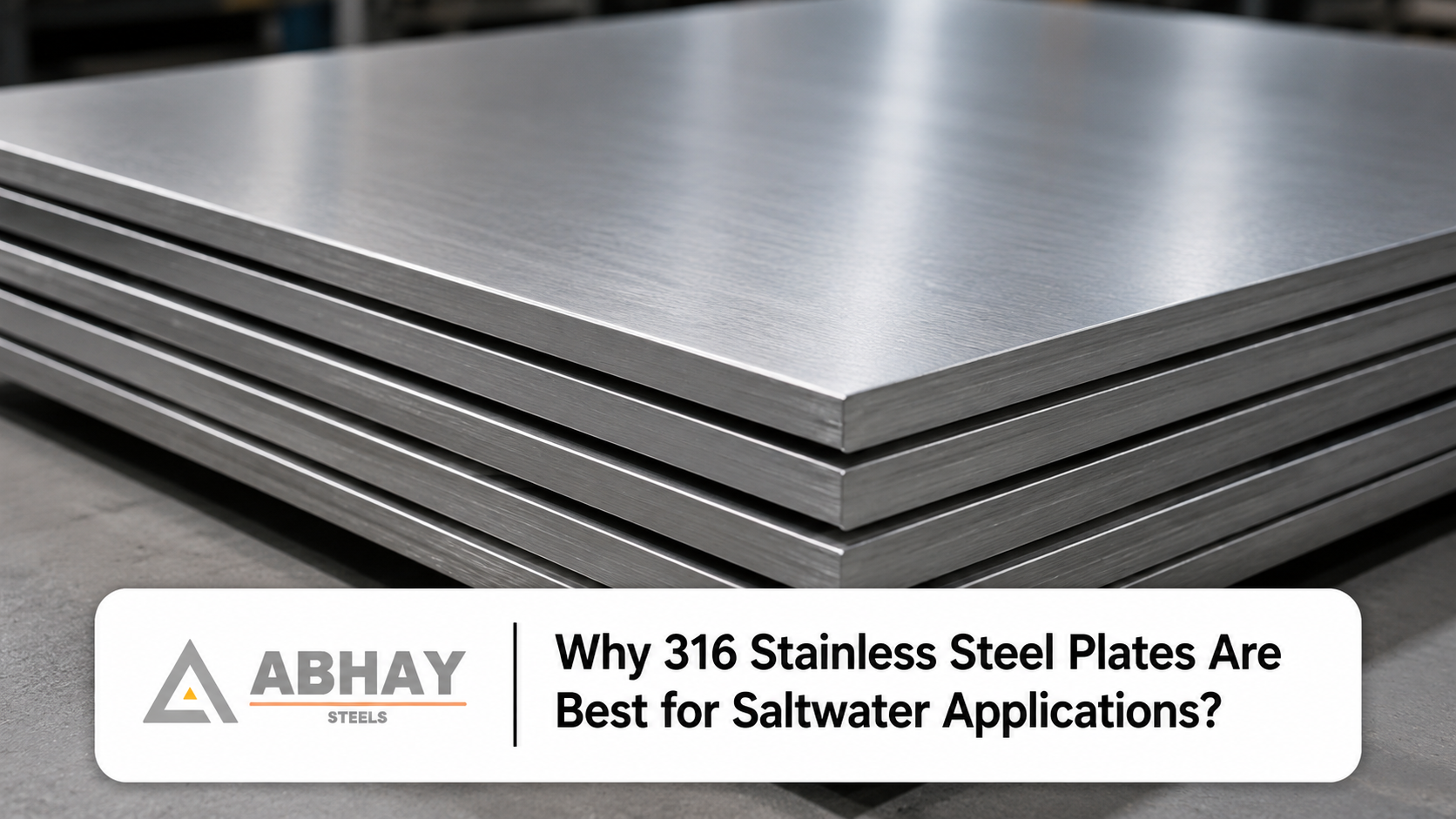
The choice of the right saltwater material is a practical necessity because of the harsh conditions. Seawater contains high levels of chlorides that rapidly corrode most metals by rust and pitting. Coastal areas suffer from humidity as well, which speeds up this damage. 316 Stainless Steel Plates are manufactured to face these specific challenges. If you go with a lower grade the metal is probably going to fail early. Most projects use SS 316 Plates for saltwater applications to ensure that the structure remains intact despite the salt.
What Are 316 Stainless Steel Plates?
These plates are a type of austenitic stainless steel. It is made from iron, chromium and nickel, but it is the addition of molybdenum that signifies the difference. This particular element helps the metal resist corrosion from salt. A good SS 316 plates manufacturer will ensure these ratios are correct for industrial use. will make sure these ratios are accurate for industrial use. You can get 316 Stainless Steel Plates in different thicknesses depending on what your project requires. They are used widely in industries where chemicals or salt are present. Because of the nickel content, the metal remains non-magnetic in most forms. It is a standard choice for heavy-duty marine parts and large storage tanks.
Why Saltwater Environments Are Highly Corrosive
Saltwater is aggressive because of chloride ions. These ions break down the protective oxide layer that usually stops rust on steel. When this layer is gone, the metal starts to pit, creating tiny holes that weaken the entire structure. Crevice corrosion also occurs often in areas where water can be trapped, such as under bolts or joints. This type of damage is often hidden until the metal fails. In coastal infrastructure, the constant cycle of wetting and drying makes the salt concentration even higher. This creates a very difficult environment for standard construction materials.
Key Reasons 316 SS Plates Excel in Saltwater Applications
Using 316 SS Plates provides a reliable way to build in marine settings. Here are a few reasons why this grade is a better choice than others for long-term applications.
Superior Corrosion Resistance
The Molybdenum content in the alloy gives an improved resistance to rust. As a result, the plates can be left in seawater for longer periods without the surface deteriorating or losing thickness.
Excellent Resistance to Chloride Attack
Chlorides are known to cause deep pitting in steel. 316 Stainless Steel Plates are designed to prevent this sort of localised damage. This ensures a smooth surface and prevents the development of structural weak points.
High Strength and Durability
These plates are very resistant to physical stress and can withstand even the most extreme temperatures. They will not become brittle when placed in cold water and will support heavy loads without losing their shape in offshore or coastal environments.
Low Maintenance Requirements
Because of the low likelihood of rusting of the metal, it does not require frequent painting or coating. This saves time and money on repairs over the years. Cleaning is usually simple.
Good Weldability and Fabrication
Fabricating these plates is straightforward for most shops. They can be welded without losing their corrosion resistance, provided the right filler material is used. This makes them versatile for custom marine builds.
316 vs 304 Stainless Steel in Saltwater Applications
While 304 is common for indoor use, it fails quickly when exposed to salt. The Difference Between SS 316 vs. SS 304 comes down to the molybdenum in the 316 grade.
| Feature | 304 Stainless Steel | 316 Stainless Steel |
| Molybdenum Content | 0% | 2% to 3% |
| Saltwater Performance | Poor (Pits easily) | Excellent |
| Typical Use | Kitchens / Indoor | Marine / Chemical |
| Resistance to Chlorides | Low | High |
SS 316 Plates Applications
Selecting the right material involves looking at where the plates will be installed. Here are the most common places where these plates are used for performance.
- Shipbuilding and offshore structures use these plates for hulls and decks because they survive constant contact with seawater and waves without rusting away.
- Coastal construction and infrastructure projects like bridges near the ocean use these plates to prevent structural failure caused by salt spray.
- Desalination plants handle highly concentrated brine and require 316 SS Plates to manage the plumbing and tank requirements in those facilities.
- Chemical processing equipment often deals with liquids as corrosive as salt, so these plates work well for vats and pipes holding acidic substances.
- Marine hardware and storage tanks, including small parts like cleats and large fuel units, benefit from the durability of this metal.
Advantages of Using 316 Stainless Steel Plates
The main advantage of 316 SS Plates is that they have a long service life. The initial price might be higher than 304, but over time, you save money since you won’t be replacing them as often. They do not stain or rust much, allowing them to maintain a clean appearance even in dirty environments. This is a big factor for coastal buildings where the appearance is important. The material is strong and does not require expensive protective layers. It is a good, cost-effective choice in the long run of the project.
When Should You Choose 316 SS Plates?
316 stainless steel plates carry 2-3% molybdenum, which directly resists chloride-driven pitting that 304 cannot handle. Coastal facilities, seawater contact zones, and salt-air environments all accelerate corrosion on standard austenitic grades. 316 SS plates sustain performance in full seawater immersion up to roughly 60°C before crevice corrosion risk increases. Humid coastal regions deposit chloride films that stay wet long enough to corrode 304 within months. Critical applications like pharmaceutical vessels, food-grade tanks, and marine structural components require the compliance documentation and field durability that 316 plate reliably delivers.
Conclusion
316 Stainless Steel Plates are the standard for saltwater because they actually last. They provide the necessary resistance to pitting and general rust that other steels lack. This makes them a smart investment for any marine or coastal work. If you need reliable materials for your next project, contact us today for a quote on high-quality plates.